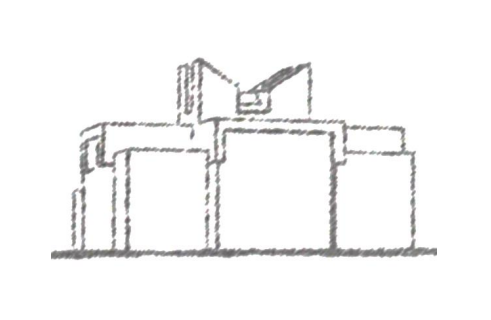
This sermon was given by Dr Nigel Walter, who is a leading church architect and also a Licensed Lay Minister in the Church of England.
He explored the concept of sacred space with particular reference to three buildings: our chapel, the parish church of St John the Evangelist, Little Gidding (made famous by T S Eliot) and Lodge Road Community Church, Birmingham. He uses Eliot to help explore the difference between sacred and supernatural spaces, concluding that churches are the former and not the latter.
Sermon delivered at the Chapel at Churchill College Cambridge on Sunday, 17th November 2024 by Dr Nigel Walter, FRIBA, FRSA
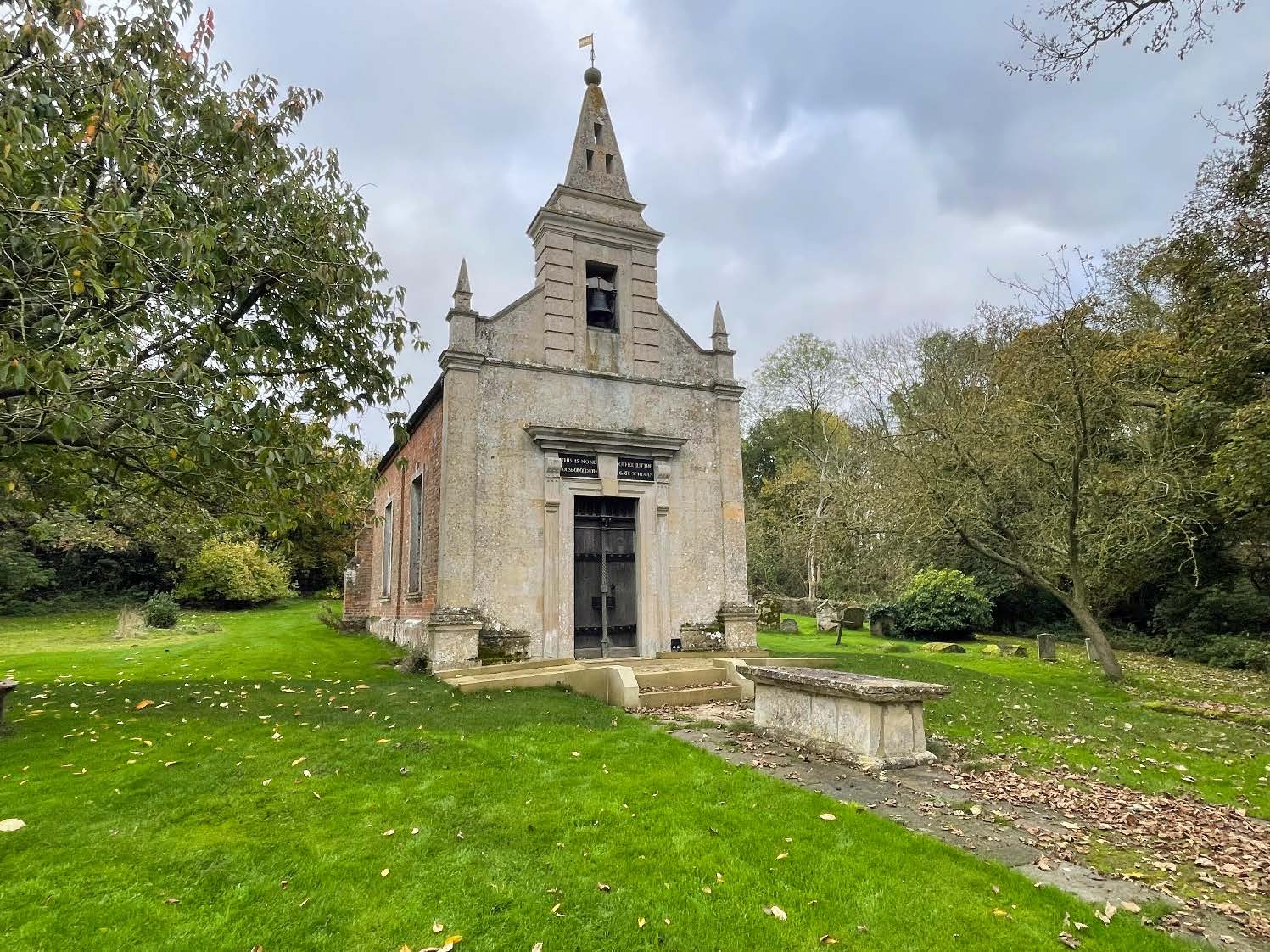
Fig. 1: above, St John the Evangelist, Little Gidding.
Readings: Gen. 28.10–22 – house of God, gate of heaven; Acts 5.12–16 – Solomon’s portico
I wonder if you’ve ever been to Little Gidding? It’s not far from here, just beyond Huntingdon. It is the site of an abandoned medieval village, a retreat centre and the grade I listed church of St John the Evangelist (Fig. 1), after which, of course, TS Eliot named the last of his Four Quartets. The early C18 interior, with its seating in Collegiate style facing inwards, is intimate and beautiful (Fig. 2). And over the C18 doorway stands the inscription ‘This is none other but the House of God and the gate of heaven’. Those of course are Jacob’s words. As we read in Genesis, Jacob had fled from his brother Esau’s fury, and in his sleep had seen a vision of a ladder connecting earth and heaven and angels ascending and descending. The vision is not only of heaven opened, but of commerce between the parallel but normally separate worlds of heaven and earth. He names the place Bethel and consecrates it, marking it as sacred space. Celtic Christianity would call this a thin place, where the veil between worlds draws back. As the inscription shows, church buildings such as Little Gidding make the same claim.
Another version of Christian theology would claim that buildings are a complete irrelevance. Those making that argument often look to the Early Church, which for generations did not have formal church buildings, as providing the normative example. And yet, the passage from Acts reminds us that, at the Church’s inception, the rag tag group of Jesus’s followers continued to meet in the Temple. They seem to have colonised an arcade of the Outer courtyard, the very place where Jesus had chosen to walk during a visit to Jerusalem, as we read in John 10. The
point is that the place was significant for them, and that it gave them a metaphorical front door. People knew where to find them.
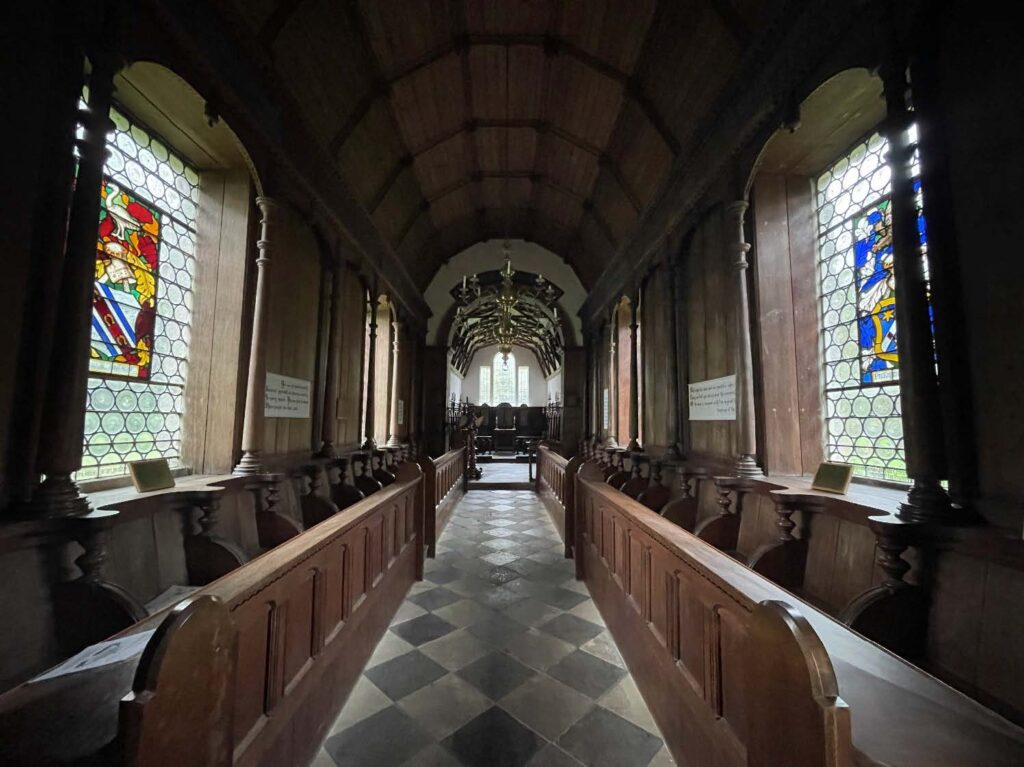
Fig. 2 St John the Evangelist, Little Gidding – Interior
Every working day I deal with church buildings in one way or another – repairing them, changing them, writing about them, campaigning for their relevance, occasionally even building new ones. Most often the buildings I work with are of mediaeval origin, and sometimes there are literal carved angels in the mediaeval timber roof as, for example, at Saint Mary’s Church Buckden. But whatever the age or architectural merit of the building, one often senses the ambition to be the gate of heaven, a liminal place between overlapping worlds, a form of sacred space.
What about this building? Could we imagine being filled with awe, and along with Jacob declaring THIS to be the house of God and the gate of heaven?
Most of you likely know the story of the building of this chapel better than me. How Richard Sheppard initially designed a chapel as an integral part of the College; how this was rejected as inappropriate for the modern age by the first Master, before space was eventually found for this chapel on the periphery which, along with the rest of the College, is now listed grade II. That history speaks to the changing place of Christianity within our culture. The College itself, of course, was conceived at a time of great faith in the affordances of modern science, when modernity believed it had successfully discarded the baggage of tradition, a time when religion not only could but arguably should be left behind. Just 60 years on and modernity has lost that swagger.
The original placing of this chapel situates Christianity (and therefore God) as, literally, eccentric, away from the centre of things. But other ways of reading the placing of the Chapel present
themselves. In English landscape design one would create a folly to terminate a principal view as, for example, at Wimpole Hall. Is this Chapel, then, a folly? If so, then it is the focal point to which the whole design of the College builds. It becomes the visual anchor, the telos, the destination. Or again a Baroque garden would relate a grand house back through the landscape to a nymphaeum or grotto, which would typically include a natural spring, with the garden structured as a grand reconciliation of nature and culture. Not a bad place for a Chapel, an inadvertent framing of God as the source of living water.
So, are there angels in THIS architecture? (Fig. 3) Clearly it was built in a very different cultural context to Little Gidding, just a few years after the Second Vatican Council, which encouraged a focus on church as gathered people of God and the active participation of the laity in the liturgy. This changed how we arrange ourselves liturgically, with profound effects on our collective life. The Victorian model of worship typically involved facing the same way, sitting up straight listening to a single voice of authority; the implication being that the business of worship is primarily individual, between me and God. The Liturgical Movement rejected those Victorian norms of nave and chancel, often in favour of centrally planned buildings, such as the great Liverpool Metropolitan Cathedral, or indeed this Chapel, with the focus on gathered community.
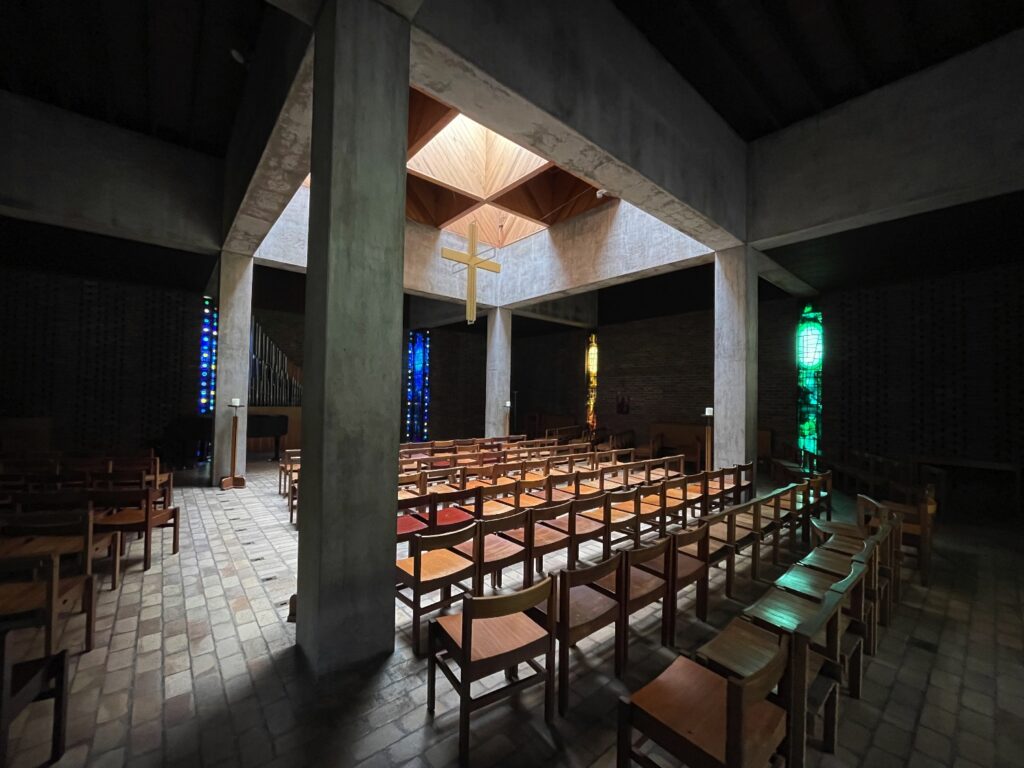
Fig. 3 The Chapel at Churchill
There’s another church building I would like to tell you about (Fig. 4). It’s a Victorian building on Lodge Road in Hockley, one of the poorest parts of Birmingham. The building is in a poor state of repair, but it’s full of people seven days a week. The range of activities is astonishing – a daily community café, daily advocacy sessions, relaxation, craft, knit and natter, job club, dry pub, snooker and darts, adult roller skating, training through a bike repair business. The church works with the homeless, ex-offenders, street workers. I met Steve there. He is in his 60s, and
was running a model making club, but he’d also used the building as a boy. Not only for the youth activities it hosted, but, having run away from care, as a refuge, a safe space to sleep. And now he’s there, helping others, and deeply committed to that building and the Church’s ministry in that place. It speaks powerfully of the rich connection of God, community and place. That building will never win any prizes, but for sure there are angels in its
architecture. ‘This is the house of God and the gate of heaven’.1
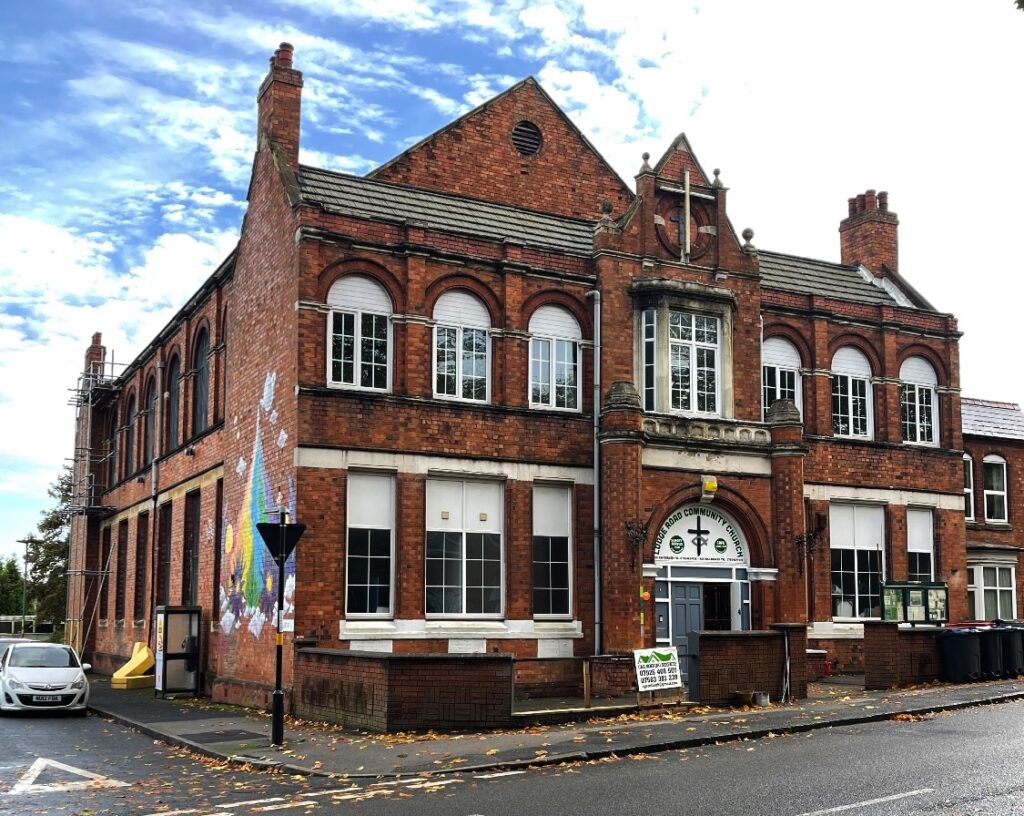
Fig. 4 Lodge Road Community Church, Birmingham
Let’s return to Little Gidding.
If you came this way, [Eliot says]
Taking any route, starting from anywhere, At any time or at any season,
It would always be the same: you would have to put off Sense and notion. You are not here to verify,
Instruct yourself, or inform curiosity Or carry report. You are here to kneel
Where prayer has been valid. And prayer is more Than an order of words, the conscious occupation
Of the praying mind, or the sound of the voice praying. And what the dead had no speech for, when living, They can tell you, being dead: the communication
Of the dead is tongued with fire beyond the language of the living. Here, the intersection of the timeless moment
Is England and nowhere. Never and always.
The poem evokes a liminal place of intergenerational community ‘where prayer has been valid’, a place where we in this generation belong among the wider community of saints, and hence, a place with angels in the architecture. That phrase of Eliot’s, ‘the intersection of the timeless moment’, is so rich. Intersectionality, yes, of different layers of community, of different times, the idea of churches as buildings that weave together a thick present that claims future and past along with the fleeting ‘modern’ now, and embodying a community through time, a chorus of voices. And so, yes, a moment that is somehow not time-bound, and therefore timeless, thus Jacob’s gate of heaven.
If church buildings such as Little Gidding or this Chapel or Lodge Road are sacred spaces, I don’t see them as supernatural in the sense of being places of disconnected spirituality.
Perhaps that was the fear that placed this Chapel where it is. But that’s not a good understanding of Christian sacred space. Rather, I see church buildings like this as hyperreal places of embodiment, where reality is fuller and brighter – as Piper’s glorious windows intimate – where we can see more clearly, more thoroughly, to greater depth, if we will but look. Much as CS Lewis described heaven in the last of the Narnia books, The Last Battle, if you know it.
So, yes, I sense angels in the architecture here, in this Chapel, which is at once both peripheral and central. And I pray that this place, in a similar way, would be ‘the intersection of the timeless moment. England and nowhere. Never and always.’
1 For more on the social and economic value of church buildings to the UK see the National Churches Trust’s ‘House of Good’ Research (Nigel Walter is a trustee of the charity): https://www.nationalchurchestrust.org/thehouseofgood. The 2021 update report (https://www.nationalchurchestrust.org/sites/default/files/2024- 09/November%202021%20House%20of%20Good%20Update.pdf), following a revision to the HM Treasury methodology, puts the value at £55bn per year (an average of £1.4m per UK church per year).